

Know how Fatty Liver is Putting Your Health at Risk and its Reversal Techniques!!
 Share
Share
Key Takeaways
1. Fatty Liver Disease Often Has No Early Symptoms. Fatty liver can develop quietly, making early lifestyle changes crucial to preventing long-term damage.
2. Diet is Key for Liver Health. Cutting out sugars, processed foods, and adding more vegetables and fiber helps reduce liver fat and supports recovery.
3. Exercise Helps Reverse Liver Damage. Regular, moderate exercise like walking can reduce liver fat and improve insulin sensitivity, tackling the root cause of fatty liver.
4. Intermittent Fasting May Aid Liver Health. Intermittent fasting (16:8 method) can help burn liver fat, but always check with your doctor first, especially if you have other health issues.
5. Liver Recovery Takes Time but is Possible. With consistent diet, exercise, and supplements, most people see improvements in liver health within 90 days.
What Is a Fatty Liver?
Your liver is one of the hardest-working organs in your body. It filters toxins, helps digest food, and keeps your metabolism running smoothly. But when fat starts building up inside liver cells, more than it should, you've got what doctors call fatty liver disease, or hepatic steatosis.
Here's the thing: a small amount of fat in the liver is completely normal. It's when that fat crosses about 5-10% of the liver's total weight that problems start brewing. There are two main types: alcoholic fatty liver disease, caused by heavy drinking, and non-alcoholic fatty liver disease (NAFLD), which has nothing to do with alcohol at all. NAFLD is actually the more common one, and millions of Americans are living with it without even knowing it.
"According to American Liver Foundation, About 100 million people (about 25%) in the United States are estimated to have MASLD (previously called NAFLD)"
How Does Your Liver Function?
1. Filtration
Filtering out toxins and detoxing the body is the primary function of the liver. Liver cells (hepatocytes) act like a natural filter, cleaning the blood that comes from the gut and removing harmful substances like bacteria, alcohol, and chemicals before the blood goes to the rest of the body.
"According to a medical review article published in StatPearls, the liver changes many harmful fat‑soluble chemicals into harmless, water‑soluble forms that can then be safely removed from the body."
2. Breakdown
If these unfavourable particles reach the liver, special liver enzymes start "breaking them down" into safer forms. The processed waste is then removed through bile (into stool) or through the kidneys (into urine), which is how the liver clears toxins from the body.
"According to a research article published in Frontiers in Pharmacology, the liver uses special enzyme systems to break down drugs, chemicals, and other toxins and then sends them out through bile or blood so they can be flushed out of the body."
3. Emulsify
Whenever we eat food, the brain signals the liver to produce bile juice because almost every food contains some fat. Bile travels into the intestine and helps break big fat globules into tiny drops so the body can digest and absorb fat easily.
"According to an article published in Frontiers in Nutrition, bile not only helps digest fats but also helps the body absorb fat‑soluble vitamins like A, D, E, and K, which are important for good health."
How Does Fatty Liver Happen?
Fatty liver doesn't show up overnight, it creeps in slowly, and lifestyle is usually at the center of it. But there's more to the story than just eating badly. Here are the most common reasons it develops:
- Poor Diet - Too much processed food, refined sugar, and saturated fat gives your liver more than it can handle.
- Sedentary Lifestyle - When you're not burning calories, excess fat has to go somewhere and the liver is often that place.
- Insulin Resistance - Closely tied to obesity and type 2 diabetes, this makes it harder for your body to process fat the way it should.
- Genetics - Some people are simply more prone to it, regardless of how healthy their habits are.
- Other Triggers - Rapid weight loss, high triglyceride levels, and certain medications can also set it off.
The scariest part? You can be at a perfectly healthy weight and still develop fatty liver disease.
Warning Signs of Fatty Liver Disease
Fatty liver is often called a "silent" disease. Most people feel absolutely nothing in the early stages, and it's usually caught by accident during a routine blood test or ultrasound. But as it progresses, your body may start sending signals worth paying attention to:
- Continuous Low Energy: Feeling worn out no matter how much you sleep is one of the earliest and most common signs.
- Discomfort in the Upper Right Abdomen: A dull ache or feeling of fullness right where your liver sits.
- Unexplained Weight Loss or Weakness: These tend to show up as the condition advances.
- Jaundice: Yellowing of the skin or eyes is a serious red flag that needs immediate medical attention.
If any of these sound familiar, don't brush them off. Getting checked early makes a real difference.
Dangers of Fatty Liver Disease
Left unchecked, fatty liver disease can quietly snowball into something far more serious. It rarely stays "just fat" here's how the damage can unfold:
- NASH (Non-Alcoholic Steatohepatitis): Simple fat buildup can progress into liver inflammation, which is a much more aggressive condition.
- Fibrosis: Continued inflammation leads to scarring, where healthy liver tissue gets replaced by scar tissue.
- Cirrhosis: Severe, permanent scarring that significantly impairs how your liver functions.
- Liver Failure and Liver Cancer: The risk of both rises sharply once cirrhosis sets in.
- Heart Disease: This is actually the leading cause of death in people with NAFLD, making it far more than just a liver problem.
- Kidney Disease and Stroke: The ripple effects extend well beyond the liver itself.
Can Fatty Liver Be Reversed?
The short answer is yes. In most cases, fatty liver disease can be reversed, and the liver is one of the few organs in the body with a genuine ability to heal itself when given the right conditions.
Non-alcoholic fatty liver disease (NAFLD) develops when fat accounts for more than 5% of the liver's total weight. At its early stage called simple steatosis the damage is largely functional, not structural. That means the liver cells are stressed but not yet scarred. This is the window where lifestyle changes make the most dramatic difference.
The more advanced stage, non-alcoholic steatohepatitis (NASH), involves inflammation and can lead to fibrosis (scarring). Even here, reversal is possible in many patients, though it takes longer and requires more consistent effort.
What does "reversal" actually mean? It means bringing liver fat back below that 5% threshold, reducing inflammation, and in early fibrosis cases allowing the liver to remodel damaged tissue. This is not just theoretical. Liver biopsies and MRI scans from clinical trials confirm measurable fat reduction within weeks of dietary and lifestyle changes.
How To Reverse Fatty Liver?
Dietary Changes to Reverse Fatty Liver

Food is the most powerful lever you have. The liver processes everything you eat, so what you put on your plate directly determines whether it's overburdened or given room to recover.
- Cut added sugars and refined carbohydrates first. Fructose, found in high-fructose corn syrup, sugary drinks, and processed snacks is metabolized almost exclusively in the liver and is a primary driver of fat accumulation. According to research published in the Journal of Hepatology, high fructose intake independently promotes hepatic de novo lipogenesis, meaning your liver converts that sugar directly into fat. Eliminating sodas, fruit juices, sweetened yogurts, and packaged pastries alone can produce measurable liver fat reduction within four weeks.
- Switch to Raw Vegetable Juice and Remove Toxic Foods From Your Diet: High-fructose corn syrup found in processed foods directly drives liver fat accumulation, removing it is non-negotiable. Replace it with raw vegetable juice: blend coriander, ginger, and mint with carrot, beetroot, pineapple, and pomegranate juice. Carrot's beta-carotene converts to Vitamin A, which supports liver detoxification pathways. Juicing breaks down cell walls, making nutrients more bioavailable when the liver's processing capacity is already under strain. 300-400 ml every morning works well.
- Increase Potassium in Your Diet: Most people eating a processed-food diet fall short of potassium the body needs daily. That deficiency shows up as fatigue, muscle cramps, mood swings, and elevated blood pressure, all common in fatty liver patients. Sweet potato (roughly 950 mg per serving), spinach, lentils, and avocado are your best whole-food sources. Adequate potassium also supports bile production and flow, which is essential for the liver to export fat-soluble waste efficiently.

- Increase dietary fiber intake. Fiber slows glucose absorption, reduces postprandial insulin spikes, and feeds gut bacteria that produce short-chain fatty acids, which, in turn, reduce liver inflammation. Aim for 30-35 grams daily from sources like lentils, oats, leafy greens, and flaxseed.
- Reduce ultra-processed foods. These are foods with ingredient lists that read like a chemistry textbook, emulsifiers, artificial flavors, refined oils, maltodextrin. They drive insulin resistance, which is the central metabolic problem underlying most fatty liver cases. If insulin resistance isn't addressed, liver fat accumulation will continue regardless of other changes.
- Limit alcohol. Even moderate alcohol consumption (1-2 drinks daily) worsens liver fat and slows recovery. If you've been diagnosed with NAFLD, the safest approach is abstaining until liver enzymes normalize and a follow-up scan shows improvement.
The Role of Movement and Exercise in Liver Recovery
Exercise works on fatty liver through two mechanisms: it burns hepatic fat directly by increasing fatty acid oxidation, and it improves insulin sensitivity, which addresses the root cause of fat accumulation in the first place.
You don't have to become an athlete. The research is actually clear that modest, consistent movement outperforms sporadic intense training.
A landmark study published in Hepatology demonstrated that patients who exercised at moderate intensity for 150 minutes per week even without significant weight loss - showed measurable reductions in liver fat on MRI imaging and improved liver enzyme levels after 12 weeks. The weight loss component mattered less than the exercise itself.
Aerobic exercise: brisk walking, cycling, swimming is the most studied modality for liver fat reduction. Three to five sessions per week of 30-45 minutes is the practical target most clinical guidelines point to.
Resistance training has emerged as equally important. Building muscle mass improves whole-body glucose disposal, which reduces the burden on the liver. A study published in BMJ Journals found that an 8-week resistance training program reduced liver fat by 13% and improved metabolic markers in NAFLD patients without requiring diet changes or weight loss.
Practical starting point: If you're sedentary, start with 20-minute walks after dinner. This single habit: walking after meals has been shown to blunt postprandial blood sugar spikes and reduce the glycemic burden on the liver over time.
Intermittent Fasting and Liver Fat - What Research Says
Intermittent fasting (IF) has attracted serious scientific attention for its effects on liver health, and the evidence is more compelling than the hype cycle around it might suggest.
The mechanism is straightforward: when you're not eating, insulin levels drop, and your body shifts into a state of fat mobilization. The liver begins drawing on its stored fat for energy which is exactly what you want when there's excess hepatic fat to clear.
A clinical trial published in Cell Metabolism examined time-restricted eating (a form of IF where eating is confined to an 8-10 hour window) in patients with metabolic syndrome. Participants who followed a 10-hour eating window for 12 weeks showed significant reductions in body weight, visceral fat, blood pressure, and notably, hepatic fat as measured by ultrasound.
What seems to work in practice:
- 16:8 fasting (eating within an 8-hour window, fasting for 16 hours) is the most commonly studied and tolerated protocol
- Avoiding late-night eating, particularly after 8 PM, aligns eating with circadian rhythms and reduces overnight hepatic fat synthesis
- Combining IF with a lower-carbohydrate diet appears to produce faster results than either approach alone
Who should be cautious: IF is not appropriate for everyone. People with type 1 diabetes, a history of eating disorders, those on certain medications (like sulfonylureas), or women who are pregnant or breastfeeding should consult a physician before trying any fasting protocol.
How Long Does It Take to Reverse Fatty Liver?
For most people making consistent lifestyle changes, 90 days is the realistic window to see measurable improvement. Progress varies depending on baseline liver fat severity, insulin resistance, age, and whether conditions like type 2 diabetes or thyroid dysfunction are present. Pairing dietary changes with targeted supplements accelerates results, milk thistle reduces hepatic inflammation and slows fibrosis, while NAC replenishes glutathione to directly support the liver's detoxification capacity.
The right supplements can meaningfully accelerate liver recovery. Here are the ones with the strongest research backing.
1. Milk Thistle (Silymarin)
It reduces hepatic inflammation and inhibits fibrosis by suppressing stellate cell activation. According to a randomized controlled trial published in the World Journal of Gastroenterology, silymarin significantly reduced liver enzymes and fibrosis markers in NAFLD patients.
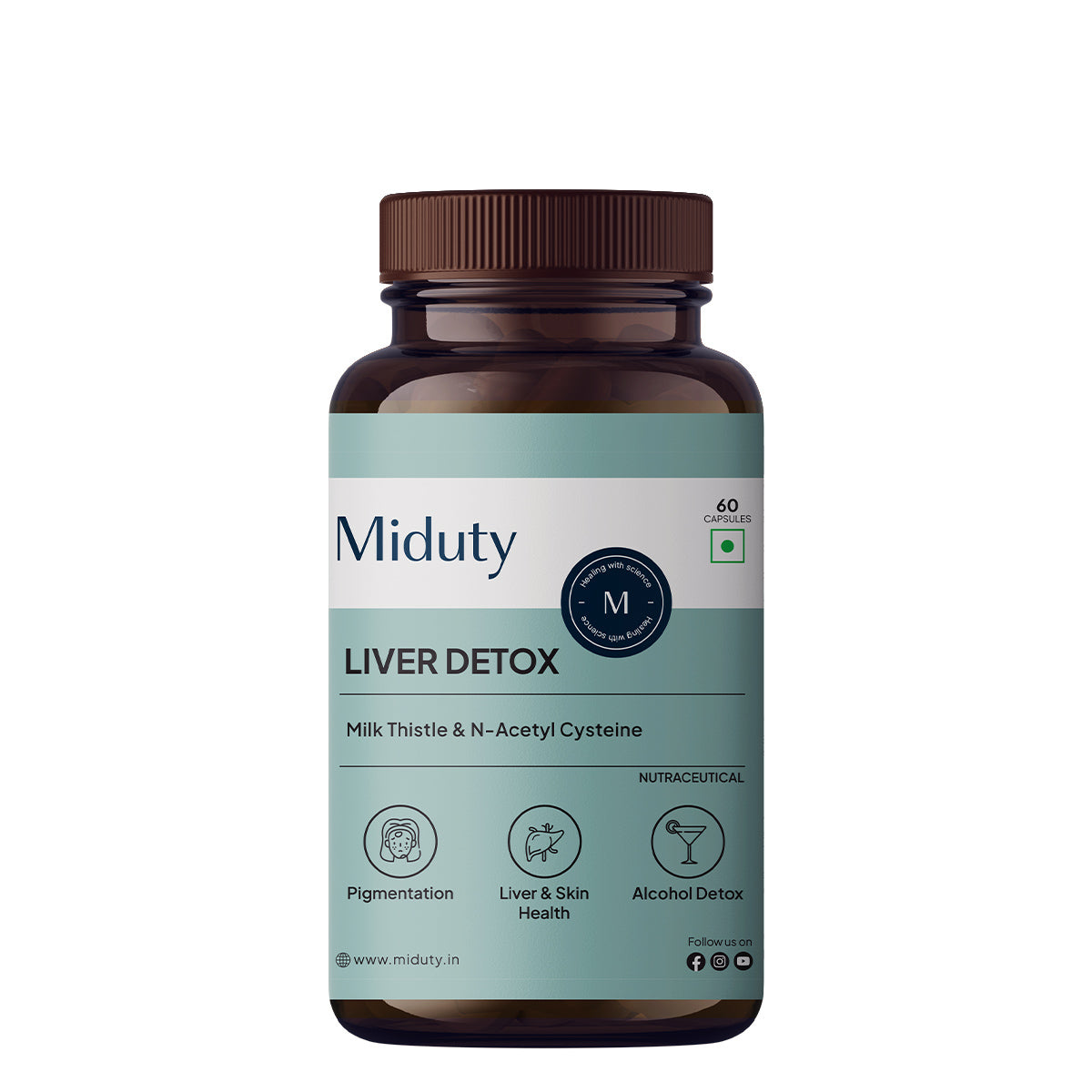
Shop Miduty Liver Detox
2. Omega-3 Fatty Acids (EPA/DHA)
It reduces liver fat production, improves triglyceride clearance, and lowers inflammation. According to a meta-analysis published in the Journal of Hepatology, omega-3 supplementation significantly reduced liver fat on imaging.
Shop Miduty Krill Omega Complex
3. Vitamin E
According to the trial published in the New England Journal of Medicine, 800 IU/day improved liver histology in non-diabetic NASH patients. Consult your physician before starting.
Shop Miduty Vitamin E
4. Choline
Essential for packaging and exporting fat from liver cells. Consistent supplementation of 500-1000 mg daily ensures your liver has what it needs to clear fat efficiently.
Final Thoughts
Fatty liver disease is serious, but it responds well when caught early and addressed consistently. Remove the dietary triggers, support your liver with targeted nutrition and supplements, and move regularly. The liver is one of the few organs that actively repairs itself. Give it the right conditions, and 90 days can genuinely change the picture. Most people don't feel the damage until it's advanced, which is exactly why starting now matters more than waiting for symptoms to appear.
FAQs on Fatty Liver Reversal -
Q1 - Can non-alcoholic fatty liver be reversed?
Yes. In grades 1 and 2, sustained weight loss of 7-10%, dietary changes, and regular exercise can significantly reduce liver fat and normalize enzymes. Additionally, supplements like Milk thistle (80% silymarin) supports recovery by reducing oxidative stress, while NAC helps replenish glutathione for cellular repair.
Q2 - Can alcoholic fatty liver be reversed?
Yes, if caught before fibrosis or cirrhosis develops. Complete alcohol abstinence is the single most critical step; within 4-6 weeks, the liver begins clearing fat and enzymes often trend back to normal. Milk thistle (80% silymarin) and NAC are commonly used as adjunct support, with NAC specifically helping restore the glutathione reserves that alcohol depletes.
Q3 - Can mild fatty liver be reversed?
Grade 1 fatty liver is the most responsive stage and highly reversible. Reducing sugar intake, cutting saturated fats, and exercising regularly can produce measurable improvement within 3-6 months, with ultrasound findings often normalizing entirely. Supplements like Milk thistle (80% silymarin) and NAC can reinforce liver cell protection while lifestyle changes take effect.
Q4 - Can hepatic steatosis be reversed?
Yes, hepatic steatosis simply means fat accumulation in the liver, and it is reversible when the root cause is addressed. Whether driven by alcohol, insulin resistance, or obesity, removing the trigger allows the liver to metabolize stored fat over time. Early-stage hepatic steatosis is one of the most treatable conditions.
Q5 - Can an enlarged liver be reversed?
Liver enlargement caused by fat accumulation can improve as liver fat decreases through treatment and lifestyle changes. However, enlarged liver has many causes beyond fatty liver, so proper imaging and medical evaluation are essential.
Q6 - Can fatty liver be reversed with lifestyle changes alone?
Yes, and in most grade 1 and 2 NAFLD cases, lifestyle modification is the primary treatment. Reducing calories (especially from refined carbs and fructose), exercising regularly, cutting alcohol, and managing blood sugar are the core interventions. Additionally, supplements like Milk thistle (80% silymarin) and NAC complement these changes.
Q7 - What is the best way to reverse fatty liver?
A combined approach works best: Mediterranean-style diet, regular aerobic and resistance exercise, sustained weight loss of 5-10%, alcohol reduction, and tight metabolic control (blood sugar, cholesterol). No single intervention is sufficient on its own. Milk thistle (80% silymarin) has the strongest supplement evidence base for reducing liver fat and enzymes, while NAC protects hepatocytes through glutathione support.
Q8 - What treatments or lifestyle changes reduce the risk of fatty liver disease?
Maintaining a healthy weight, eating a low-glycemic diet rich in fiber and healthy fats, exercising regularly, limiting alcohol, and managing blood glucose and triglycerides are the highest-yield prevention strategies. Early screening for metabolic syndrome and type 2 diabetes also allows intervention before fat accumulation begins. Milk thistle (80% silymarin) and NAC can provide ongoing liver protection as part of a preventive routine.
Q9 - What are the warning signs of fatty liver disease?
Fatty liver is often silent. Most people discover it incidentally through blood work or ultrasound. When symptoms appear, they include persistent fatigue, a dull ache in the upper right abdomen, nausea, unexplained weight loss, and elevated ALT/AST on routine tests. In advanced disease, jaundice and abdominal swelling may develop.
Q10 - Is fatty liver dangerous?
Simple fatty liver without inflammation is not immediately life-threatening, but it is a serious metabolic warning sign. Left unmanaged, it can progress to NASH, fibrosis, and cirrhosis in a subset of patients. Notably, cardiovascular disease, not liver failure is the leading cause of death in NAFLD patients, making metabolic management equally important.
Q11 - Is grade 1 fatty liver dangerous?
Grade 1 is the least severe stage and not considered immediately dangerous. Most people have no symptoms and normal liver function. It is, however, a warning sign that should not be dismissed, as it can progress over years if ignored. This is an ideal time to make lifestyle changes and consider milk thistle (80% silymarin) and NAC for early liver cell protection.
Q12 - Is grade 2 fatty liver dangerous?
Grade 2 carries a meaningfully higher risk, with over one-third of liver cells affected and possible low-grade inflammation already present. The risk of progressing to NASH increases substantially, particularly in those with diabetes, high triglycerides, or central obesity. Medical supervision and regular monitoring are advisable, and both milk thistle (80% silymarin) and NAC are more clinically relevant at this stage.
Q13 - Is hepatic steatosis dangerous?
Hepatic steatosis alone without inflammation or fibrosis is generally considered benign, but it is a significant metabolic red flag. Its danger depends on what drives it and whether it is treated proactively. The critical point is that it is reversible at this stage, acting early prevents progression to irreversible disease.
Q14 - How dangerous is fatty liver?
Danger scales with grade: grade 1 poses low short-term risk, grade 2 carries real progression risk, and grade 3 (affecting over 66% of liver cells) requires active medical management. Across all grades, associated cardiovascular risks such as high cholesterol, insulin resistance, hypertension may pose more immediate danger than the liver condition itself.
Q15 - Can genetic testing predict fatty liver risk?
Yes, genetic variants like PNPLA3 I148M and TM6SF2 E167K are linked to an increased risk of fat accumulation and fibrosis, even in those without typical metabolic risk factors. While genetics isn't determinative, it can help guide proactive liver monitoring.
Q16 - What are the risks of fatty liver during pregnancy?
Pre-existing NAFLD may worsen during pregnancy due to hormonal changes and insulin resistance. Acute fatty liver of pregnancy (AFLP) is rare but requires immediate medical attention. Women with fatty liver should inform their obstetrician and undergo careful monitoring.
Q17 - Are there risks or side effects of taking vitamin E for fatty liver?
Vitamin E has benefits in non-diabetic NASH patients, but it's best to consult with a healthcare provider before use, especially for those on anticoagulants or with diabetes-associated NASH.
Q18 - What are the risks of fatty liver disease during pregnancy?
Fatty liver disease during pregnancy can cause serious problems like high blood pressure, early delivery, or liver damage. It's important to keep an eye on the liver's health and treat the condition to keep both mom and baby safe.
Q19 - What are the best teas for supporting a fatty liver and are there any risks?
Teas like green tea, dandelion, milk thistle, and turmeric are often recommended for supporting liver health due to their antioxidants and anti-inflammatory properties. However, excessive consumption or high doses of herbal teas can sometimes strain the liver, especially if you're pregnant or taking medications. Always consult with a healthcare provider before starting any herbal tea regimen.